

small led makeup mirror
Understanding Gauge Pin Class A Key Component in Manufacturing Precision In the world of manufacturing and engineering, precision is paramount. One of the essential tools that help engineers and machinists ensure their workpieces meet tight tolerances is the gauge pin. Specifically, gauge pins come in various classes, each designed for specific measurement needs. This article delves into the concept of gauge pin classes, their importance, and how they contribute to quality assurance in manufacturing processes. What is a Gauge Pin? A gauge pin is a cylindrical tool used to check the dimensions of holes and slots in machined parts. They are often manufactured to strict tolerances and can be both go and no-go types. A go gauge pin will fit into the hole if it meets the specified dimensions, while a no-go pin will not fit if the dimensions are correct. This binary measure is crucial in ensuring that parts meet the required specifications for functionality, particularly in high-precision fields like aerospace, automotive, and medical device manufacturing. Classes of Gauge Pins Gauge pins are categorized into classes based on their tolerance levels, which dictate their application. The most commonly referenced classes include 1. Class A (Commercial Grade) This class of gauge pins offers general-purpose usability and is typically used in environments where high precision is not critical. They are less expensive than higher-class pins and are suitable for standard applications, such as basic assembly checks. 2. Class B (Precision Grade) Offering tighter tolerances than Class A, Class B gauge pins are used in applications where moderate precision is needed. They strike a balance between cost and accuracy, making them a popular choice for various machining and inspection tasks. 3. Class C (High Precision Grade) These gauge pins exhibit the tightest tolerances and are used in situations where absolute precision is critical. Class C gauge pins are often employed in high-stakes environments, including aerospace and medical applications, where even the slightest deviation can have severe consequences. gauge pin class The classification of gauge pins is vital in determining their applicability in different scenarios. Engineers and quality control professionals must select the appropriate class to ensure product reliability and compliance with engineering specifications. Importance of Gauge Pin Classes in Manufacturing The use of gauge pins in manufacturing cannot be overstated. They play a crucial role in quality control and assurance processes. Here's why selecting the right class is important - Accuracy Different classes of gauge pins allow manufacturers to achieve varying degrees of accuracy. Using a gauge pin with inappropriate tolerances can lead to faulty measurements, resulting in defective products. - Cost-Efficiency By choosing the right class of gauge pins for specific tasks, manufacturers can optimize costs. Using a Class A pin for non-critical applications prevents unnecessary spending on high-precision tools when they are not needed. - Process Improvement Incorporating gauge pins into the manufacturing process improves the overall reliability of the product. Regular checks using the right class of gauge pins can identify issues early, reducing waste, rework, and production time. - Compliance and Standards Many industries are subject to stringent regulatory standards. Using gauge pins that conform to specific classes ensures that manufacturers meet these standards, thereby enhancing product safety and performance. Conclusion In conclusion, gauge pins are an indispensable tool in the manufacturing industry, providing a straightforward means of ensuring dimensional accuracy. By understanding gauge pin classes, engineers and quality control professionals can make informed choices that enhance precision and maintain high standards of quality. As industries continue to evolve and demand ever-higher levels of precision, the role of gauge pins in manufacturing will only grow more critical, underscoring the importance of their classification and application in ensuring successful outcomes.
about
small led makeup mirror
The Pin Gauge Measurement Method An Overview In the realm of precision measurement and quality control, pin gauge measurement methods have emerged as a vital tool for ensuring dimensional accuracy in manufacturing processes. Pin gauges, also known as pin gauges or plug gauges, are precise, cylindrical tools employed to measure the diameter of holes or the thickness of materials. This article focuses on the principles behind pin gauge measurement, its applications across various industries, and the advantages it presents. Understanding Pin Gauges Pin gauges come in various sizes and are manufactured with high precision to comply with specific tolerance requirements. Typically made from high-grade steel or carbide, these gauges are designed to check the size of holes, slots, or grooves in workpieces. The measurement is performed by either inserting the pin gauge into a hole or using it to check the distance between two surfaces. Pin gauges are available in two primary types fixed-size gauges, which are used for standard measurements, and go/no-go gauges, which help determine whether an object meets specified tolerances. The latter consists of two gauges a go gauge that should fit into the measured feature and a no-go gauge that should not fit. Application Industries The application of pin gauges spans a wide array of industries, including automotive, aerospace, and manufacturing. In the automotive sector, for example, pin gauges are used to ensure the precise fit of engine components, thereby enhancing performance and safety. Similarly, in the aerospace industry, where tolerances are critically defined, pin gauges help in maintaining the integrity of components subject to high-stress conditions. pin gauge measurement method Manufacturers also utilize pin gauges during production and quality control stages to verify that components are produced within predetermined specifications. This process ensures that products not only meet industry standards but are also safe and reliable, reducing the likelihood of defects that could result in costly recalls. Advantages of Pin Gauge Measurement The pin gauge measurement method offers numerous advantages. Firstly, the simplicity of use makes it an efficient tool for quick checks without the need for complex machinery. Operators can conveniently measure components manually, allowing for immediate feedback and adjustments during production. Additionally, due to their robust construction, pin gauges have a long life span and require minimal maintenance. The high degree of accuracy they provide helps in reducing errors associated with measurements. The presence of a clearly defined pass/fail criterion in go/no-go gauges further simplifies the inspection process, ensuring that only acceptable components move forward in the production line. Moreover, pin gauges are an economical choice for ensuring quality control. Compared to advanced measuring instruments, they represent a cost-effective solution that does not compromise on accuracy, making them accessible for businesses of all sizes. Conclusion In conclusion, the pin gauge measurement method is a fundamental practice within various industries, underlining the importance of precision in manufacturing and quality control processes. By providing reliable, accurate measurements, pin gauges contribute significantly to ensuring that components meet stringent specifications, ultimately enhancing product quality and safety. As industries continue to evolve, the role of pin gauges in measurement and quality assurance remains crucial, highlighting the need for ongoing investment in such reliable tools to foster innovation and maintain competitive edge.
-

High quality industrial productsagement

High quality industrial products
View Details -

Meet the diverse needs of customers

Meet the diverse needs of customers
View Details -

Strict quality control

Strict quality control
View Details -

Top raw materials

Top raw materials
View Details -

Trusted supplier

Trusted supplier
View Details
Our application
news and information

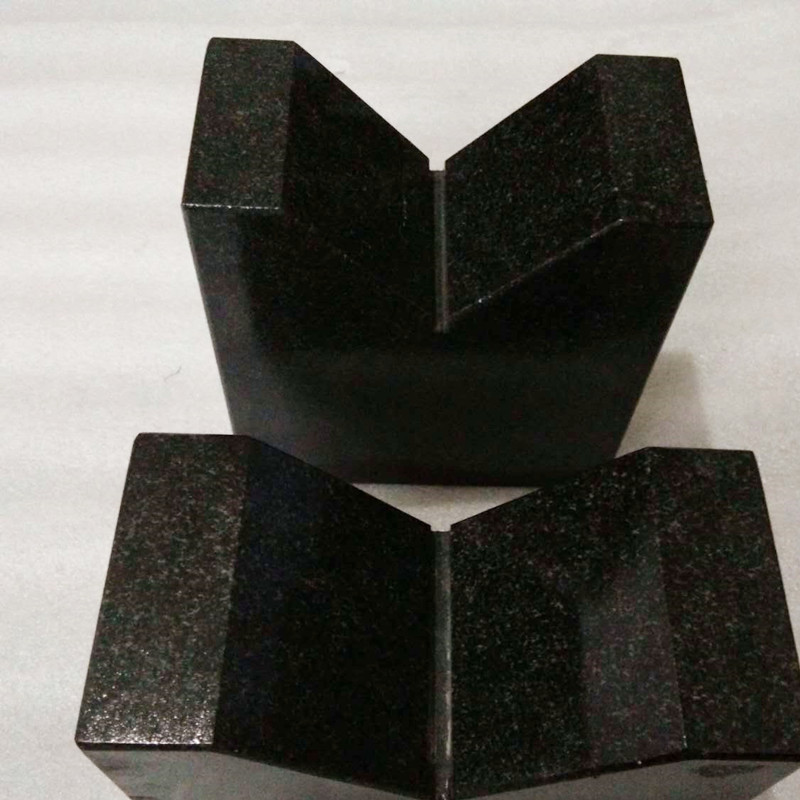
V-Block Technology Revolutionizing Manufacturing Precision and Efficiency
The Paradox of V Block V Block Navigating the Dual Realities of Virtual and Physical Worlds In the

Van ngắt nước chính
Giá Trị và Vai Trò Của Van Khóa Nước Chính Trong Hệ Thống Cấp Nước Trong mỗi căn nhà hay công trình
Y filtre en fonte
Le Strainer Y en Fonte Un Équipement Indispensable pour l’Industrie Dans le domaine de l’industrie,
 English